
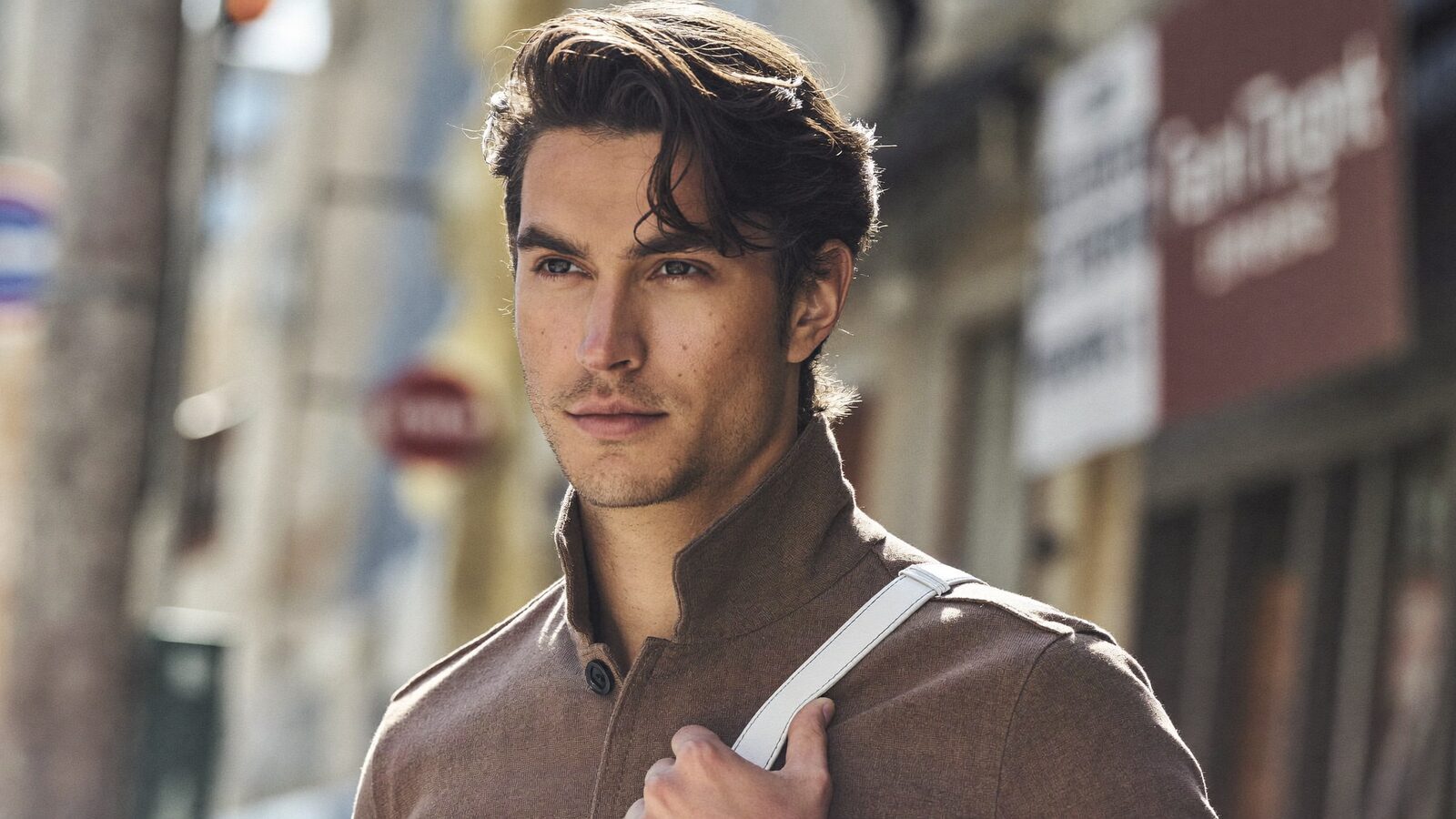
A non shave hair transplant is an FUE procedure in which grafts are taken and placed without buzzing your whole head, so your usual haircut hides most of the evidence. It works well for people who need a modest number of grafts, have hair long enough to cover a small trimmed area, and care more about privacy than about moving the largest possible graft count in one day.
In practice there are three ways to prepare the scalp: a full shave, a partial shave where only a hidden band at the back is clipped, and a truly unshaven or long hair FUE where the hair stays at length. Each one changes the session length, the number of grafts you can realistically move and how much shows during healing. At Nova Medical Hair Transplant Chicago, every FUE hair transplant in Chicago is done by hand, and Dr. Otto Placik reviews each plan, including which preparation suits your scalp and schedule.
Key takeaways
- A non shave hair transplant keeps most or all of your existing hair at its current length, so the donor and recipient areas stay largely covered.
- Unshaven FUE is usually limited to smaller sessions, often around 1,000 to 1,500 grafts, because working between long hairs is slower and more exacting.
- A partial shave, where a narrow strip at the back is clipped and then covered by the hair above it, is the common middle ground for medium sessions.
- A full shave gives the team the clearest view and allows the largest sessions, up to about 4,000 grafts in one day when donor density allows.
- Candidacy depends on the size of the area, donor density, hair length and hair texture, and is confirmed at a free in-person assessment.
Three ways to prepare the scalp for FUE
Scalp preparation for FUE comes in three main forms: a full shave of the donor and recipient areas, a partial shave of one hidden band in the donor zone, and an unshaven approach that leaves the hair at length. The choice changes how fast the team works, how many grafts fit in a session and what other people notice.
FUE, short for follicular unit extraction, removes hair in its natural groups of one to four hairs, called follicular units, using a tiny round punch. To place that punch accurately, technicians need to see the exact angle at which each hair leaves the skin. Short hair makes that angle easy to read. Long hair hides it, which is the root of every trade-off below.
Full shave
The donor area, and often the recipient area, is clipped to a millimeter or two. This is the standard setup for large sessions, and the look afterward is a very short buzz cut.
Partial shave
Only a horizontal strip in the donor zone is clipped, a few centimeters tall. Hair above it stays long and falls over it. The recipient area is often left unshaven.
Unshaven or long hair FUE
Nothing is buzzed. Donor hairs are trimmed one at a time just before extraction, or sometimes extracted with the shaft left long, then placed between existing hairs. It is the most private option and the slowest.
| Factor | Full shave | Partial shave | Unshaven / long hair |
| Typical session size | Up to about 4,000 grafts | Often 1,500 to 3,000 grafts | Often 1,000 to 1,500 grafts |
| Time per graft | Fastest | Moderate | Slowest |
| What others see in week one | Buzz cut, small scabs | Usually nothing if hair above covers the strip | Usually nothing |
| Hair length needed | Any | Enough to cover a clipped band | Usually 2 to 3 inches or more on top and back |
| Typical fit | Large areas, crown plus front, any style | Moderate hairline or crown work | Small hairline touch-ups, temples, filling gaps |
Who qualifies for unshaven FUE?
Unshaven FUE suits patients with limited, well-defined thinning who need a smaller graft count, have a dense donor area and keep their hair long enough to hide both work zones. Someone filling in temple corners or softening a slightly receding hairline is a typical candidate. Someone with a large bald crown usually is not.
At a consultation, these are the points the team weighs:
- Size of the area: A hairline refinement or temple fill may need 600 to 1,500 grafts, which fits an unshaven day. Restoring the front and crown together almost always needs more.
- Donor density: Spreading extraction across a long-haired donor zone works only when there are plenty of healthy follicular units per square centimeter, so the area does not look thinned once you get a short haircut later.
- Hair length and style: Hair that is at least a few inches long on top and at the back gives cover. A tight fade or very short sides leaves nothing to hide behind.
- Hair texture and color: Wavy or curly hair camouflages tiny scabs well. Very fine, straight, dark hair on pale skin shows small marks more easily.
- Stability of your loss: A pattern that is still moving fast may call for a larger plan, or for medication first, rather than a small discreet session.
- Your priorities: If returning to a client-facing job in a few days without anyone noticing matters more than maximum coverage, unshaven work makes sense.
If you are unsure whether to treat the front or the back first, our guide on whether to restore the crown or the hairline first walks through that decision.
Graft limits and longer sessions
Unshaven sessions move fewer grafts because each extraction and placement takes longer when long hair hides the angle of growth and crowds the working area. A team that could comfortably place 2,500 grafts on a shaved scalp might place roughly half that in the same hours without shaving, so large plans become two shorter procedures or a partial shave.
The slowdown happens at both ends of the procedure. In the donor area, each long hair has to be trimmed or held aside before the punch goes in. Transection, meaning a follicle that is cut or damaged during extraction, becomes more likely if the team rushes, so a careful team simply works more slowly.
In the recipient area, new sites have to be made between existing hairs without cutting them. The hairs you already have are valuable, and damaging them can trigger temporary shedding, sometimes called shock loss. Placing grafts among long native hair is delicate work that takes extra time per graft.
Planning tip: If you need around 2,500 grafts or more and still want discretion, ask whether a partial shave in a single day, or two smaller unshaven sessions some months apart, gives the better balance for your situation.
A typical FUE day already runs several hours under local anesthesia, and unshaven work stretches that further for the same graft count.
Discretion during recovery
Discretion during recovery is the main reason people choose a non-shave approach. With unshaven or partially shaved FUE, the donor area is usually hidden from the first day, and the recipient area is partly covered by existing hair. Most visible signs, mainly tiny scabs and some redness, fade within about 7 to 10 days.
Here is roughly what people around you might notice with each approach:
- Days 1 to 3: With a full shave, a buzz cut and a pink donor area are obvious up close. With partial or no shaving, the back looks normal once hair is combed down, and small crusts in the front may show if you part your hair directly over them.
- Days 4 to 10: Scabs loosen with gentle washing. Long hair covers most of them. Swelling on the forehead, if any, usually settles in this window regardless of shaving.
- Weeks 2 to 6: Transplanted hairs often shed, which is expected. With long hair FUE, the longer hairs you saw on day one fall out in this period, so the instant preview is temporary.
- Months 3 to 12: New growth comes in gradually and blends with your own hair. Results continue to mature for up to a year or a little longer.
Chicago winters bring plenty of hats, which makes a full shave easier to hide for some patients; your aftercare sheet explains when a loose hat is fine. For a full picture of the first weeks, see our hair transplant FAQ.
Does a non-shave hair transplant cost more?
A non-shave hair transplant can cost more per graft at clinics that price by the hour or charge for extra time. At Nova Medical, pricing is per graft, from $3.99 to $7.99, with no session fees, and your written quote after a free assessment shows exactly how your chosen preparation affects the total, if at all.
The bigger cost question is usually the number of sessions. If an unshaven approach means splitting 2,400 grafts into two days months apart, compare that schedule with a single partially shaved session. Our hair transplant cost in Chicago page explains how per-graft quotes are built and how 0% financing for the first 12 months works.
Non-shave FUE for women
Women are often natural candidates for non-shave FUE because they usually wear longer hair and many prefer not to clip any area that might show. A partial shave tucked under a layer of long hair at the back is common, and recipient sites are placed between existing hairs along a widening part or temple.
Female thinning is often diffuse, so donor stability matters most. Our page on female hair transplant options in Chicago covers how the team assesses that.
Do you always have to shave for a hair transplant?
No, you do not always have to shave for a hair transplant. Shaving is mainly needed for larger sessions, where the team must see many hair angles quickly. For smaller sessions, a partial shave or no shave at all is often possible, provided donor density and hair length cooperate and you accept the lower graft count per day.
Shaving is still the practical choice in a few situations. Very advanced loss needing 3,000 grafts or more in one day is one. A second procedure in an area that has already been worked on, where precise angles are harder to read, is another. And some patients simply prefer a short haircut and a faster day. Older strip surgery, known as FUT, removes a thin band of scalp and does not require shaving either, though it leaves a fine linear scar; our comparison of FUE vs FUT explains the differences.
Questions to ask before choosing a scalp preparation
The right scalp preparation comes from three things: your graft estimate, your donor density and your calendar. Bringing a few specific questions to the consultation makes the shaving decision faster, shows you what each option looks like in your case, and keeps expectations realistic on both sides.
- How many grafts do I need, and can that fit in one unshaven day? If not, ask what a partial shave or a second session would look like.
- Where exactly would the clipped band sit? Ask how long the hair above it needs to be to cover it when you sit at your desk.
- How long will my session last? Plan your day and transport home with that number in mind.
- What will my front look like on day three? Ask to see healing photos of similar cases.
- Should I grow my hair before surgery? Many patients let the back and top grow for several weeks beforehand to improve coverage.
Find Out If You Can Keep Your Hair Long
Book a free assessment at our West Loop clinic. We will measure your donor area, estimate your grafts and give you a written plan and price for the scalp preparation that fits.