
DHI Hair Transplant Chicago
DHI Explained: Direct Hair Implantation
A DHI hair transplant in Chicago is not a separate operation. The name refers to the way grafts are put into the thinning area, and at Nova Medical in the West Loop it is one option within a wider hair restoration plan, used where it adds something.
DHI stands for Direct Hair Implantation. The label appears in a lot of marketing, so it helps to be clear about which step it changes and which steps stay exactly as they are.
The harvest is the same as any follicular unit extraction. Grafts are taken one at a time from the permanent donor hair at the back and sides of the head. The difference starts only once those grafts are ready to be placed.
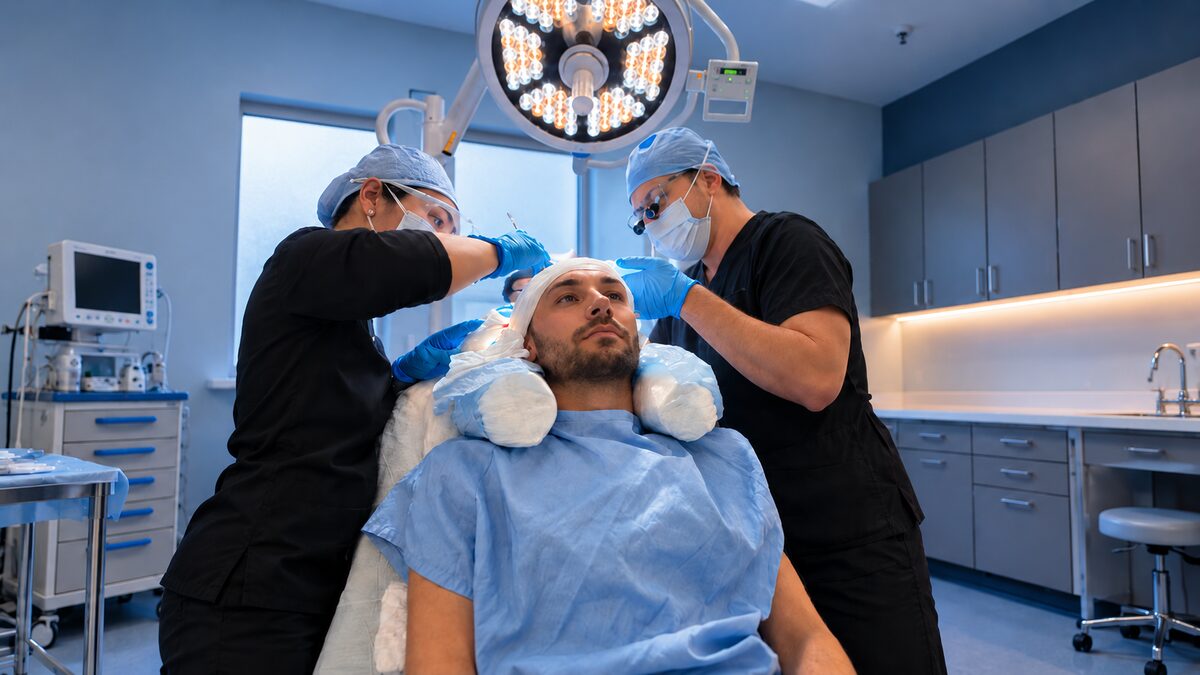
In conventional FUE, the team first opens tiny recipient sites with a blade or needle, then sets each graft into its site with forceps. In DHI, the graft is loaded into the hollow needle of a handheld implanter pen (the Choi pen is a well-known design), and a single motion makes the opening and leaves the graft behind. That gives fine control over depth and direction, but it is slower per graft, so it is rarely the whole answer for a large case. Dr. Placik uses DHI as a tool within FUE for the areas where it makes a visible difference.

Patient Results Before & After
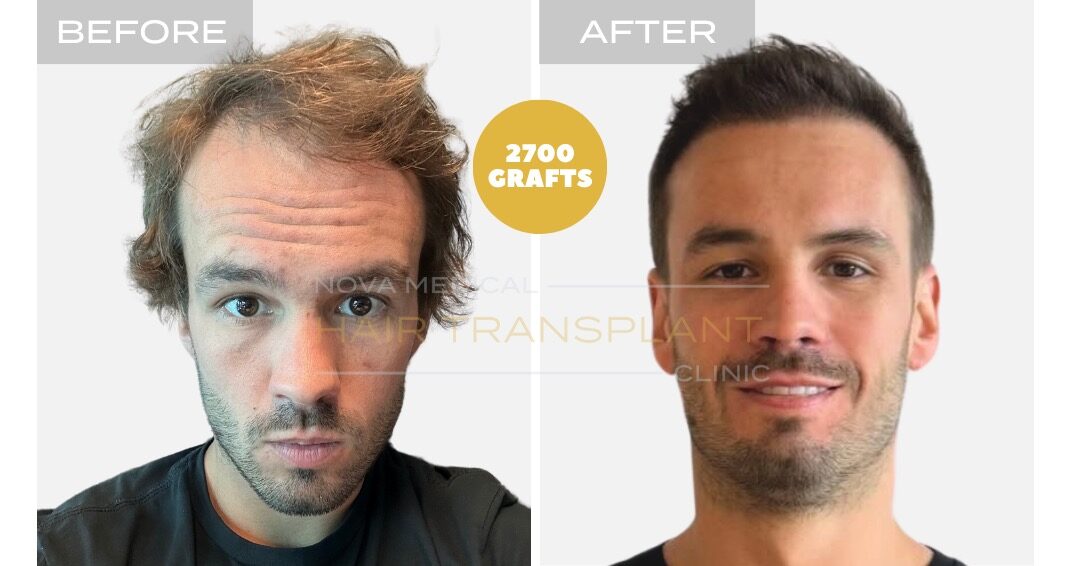
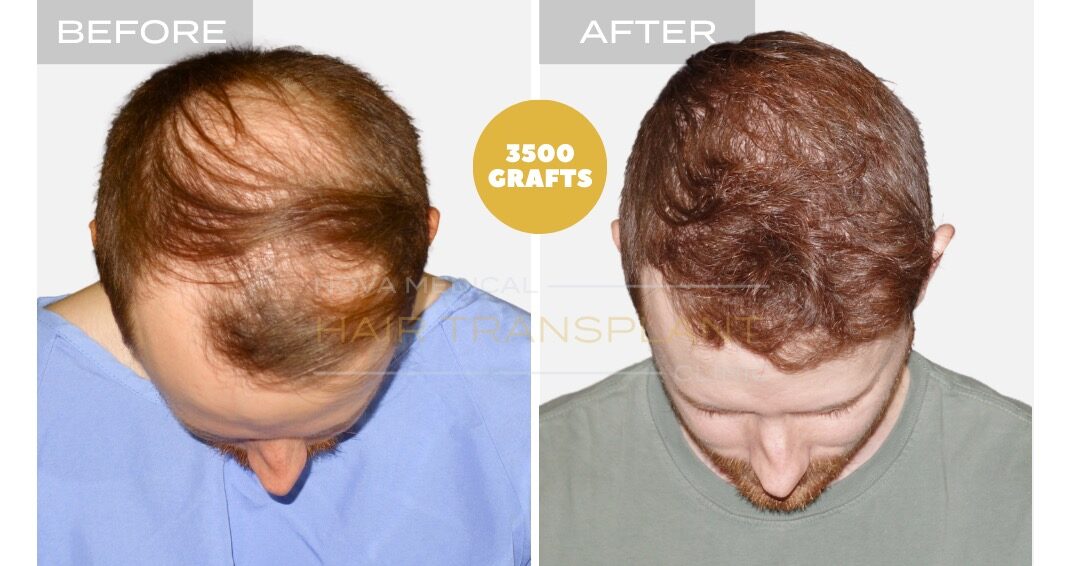
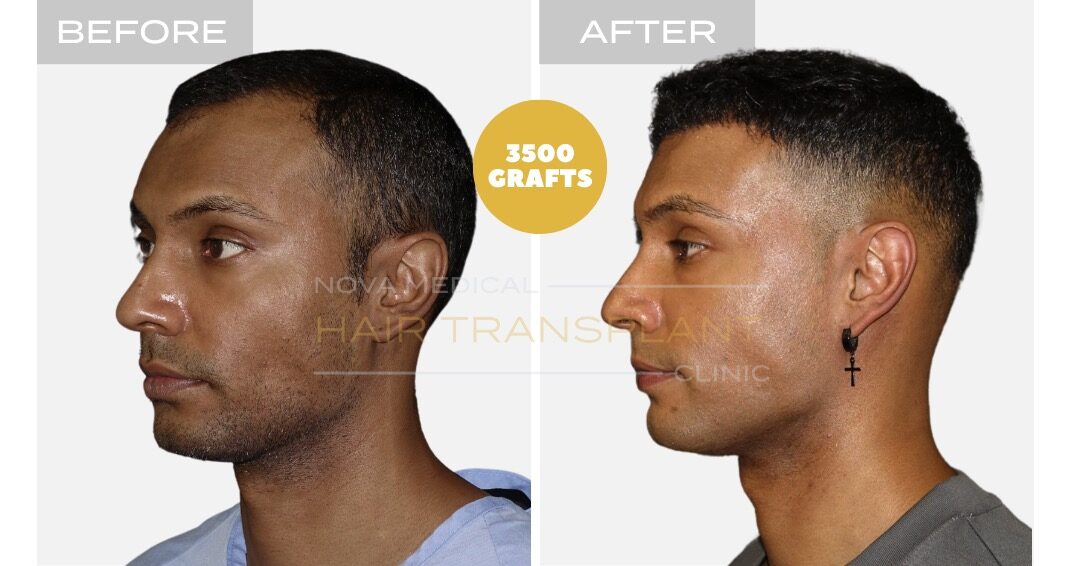
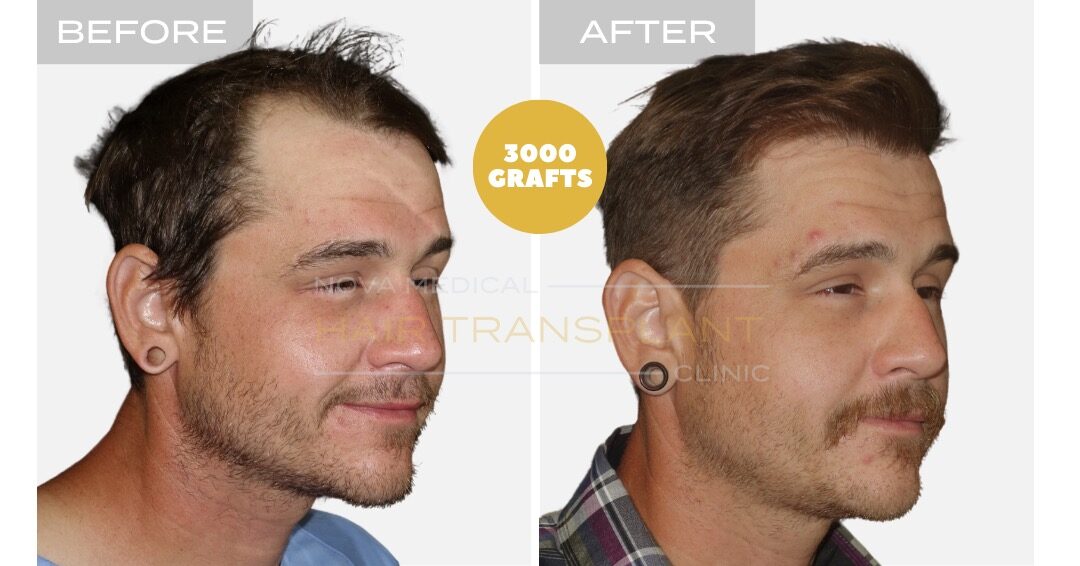
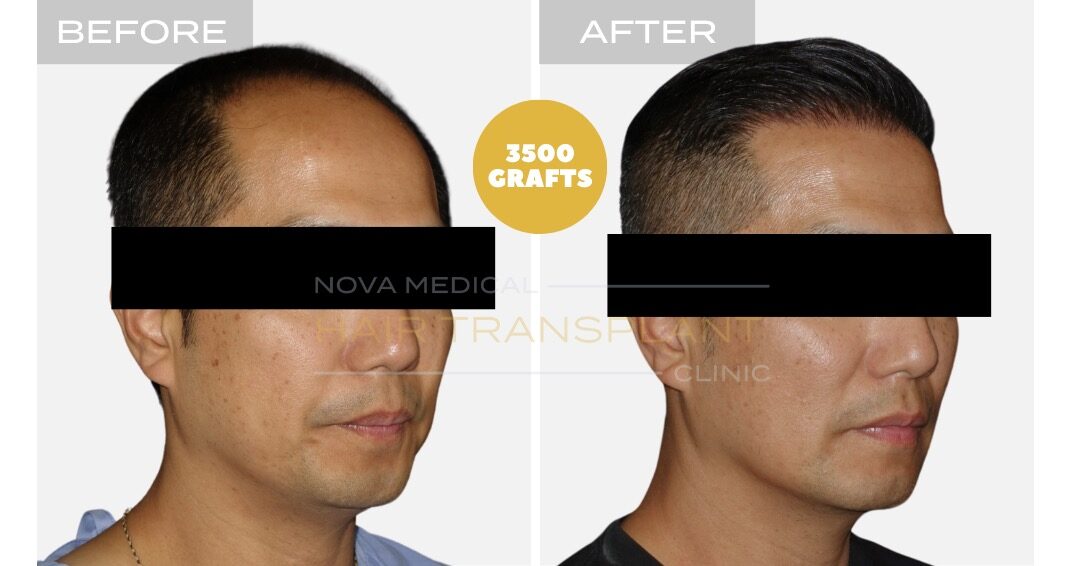
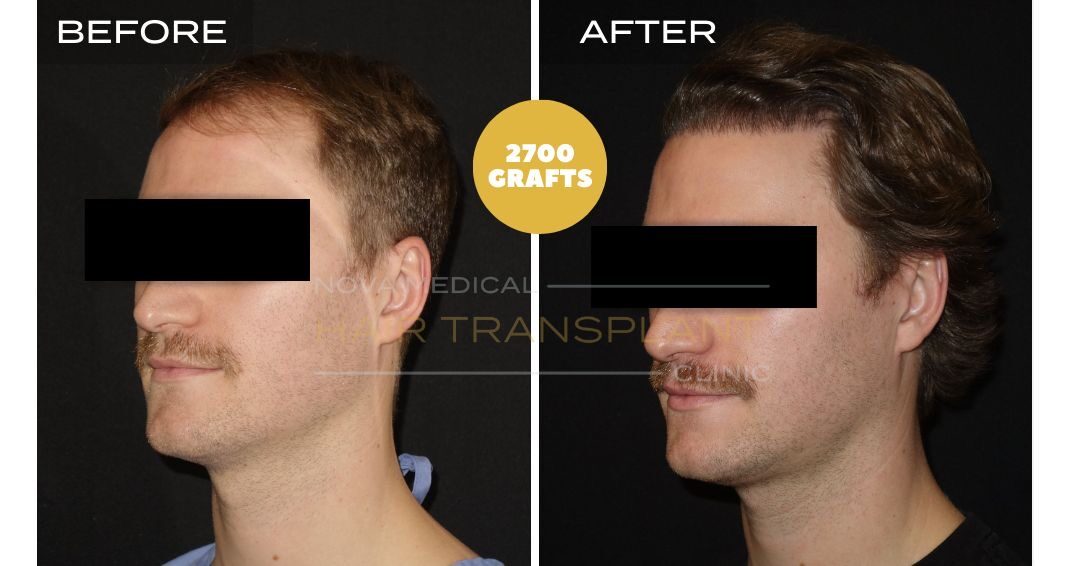
DHI Hair Transplant Chicago: What the Pen Adds
Applied to the right zones, implanter-pen placement offers patients from across Chicagoland and Illinois a set of practical advantages:
Control at the Front Edge
The hairline is the first thing people see. The pen lets each graft go in at the shallow, forward angle that keeps the front row soft rather than tufted.
Openings Only Where Needed
No field of recipient sites is opened in advance. The fine needle tip, under a millimeter wide, makes a single opening at the moment each graft is set.
Grafts Spend Less Time Waiting
Pens are loaded a few grafts at a time and used promptly, so follicles are back in living tissue sooner after extraction.
Back to Desk Work Quickly
Many office-based patients return within a few days. A loose-fitting cap covers the small scabs while they settle.
No Strip Scar at the Back
The donor area is harvested unit by unit with no strip removed and no stitches, which keeps short clipper cuts possible later.
Matches the Way Hair Grows
Each graft is angled to follow the direction of the surrounding native hair, so the new growth lies the same way and blends in.
Less Handling of Each Graft
Fewer touches between the donor zone and the recipient site help protect the delicate tissue that surrounds every follicle.
Built for Focused Areas
Receding temples, a weak frontal line or a small patch at the crown are the cases where a slower, careful pace pays off.
Less to Think About
Many patients say the real change is that harsh lighting, a gust of wind or a camera on a video call stops being something they worry about.
Chosen After an Exam
Whether pens, forceps or both are used is decided only once Dr. Placik has assessed your donor supply and mapped each zone.
What Happens on DHI Day
A DHI session at our West Loop clinic usually runs in this order:
- Local anesthesia: the donor and recipient areas are numbed, and you stay awake and at ease throughout.
- Harvesting: follicular units are taken individually from the back and sides, where hair is genetically more resistant to thinning.
- Sorting: each graft is checked under magnification and kept chilled in a holding solution until it is used.
- Loading: a technician seats one graft in each implanter needle, and a rotation of loaded pens keeps the pace steady.
- Implanting: every pen is set at the planned angle and depth, the graft is released, and the next loaded pen follows. Dr. Placik draws up the plan and supervises the session.
Is DHI Right for You in Chicago?
DHI is often a good match if you are looking for:
- A rebuilt hairline or temples: highly visible zones where angle and spacing must be precise.
- A limited treatment area: a defined patch or region rather than full-scalp coverage in one sitting.
- Added density among existing hair: the pen can work between native strands with less risk of disturbing them.
- A solid donor supply: enough healthy hair at the back and sides to cover the plan.
- Patience with growth: new hair takes most of a year to mature, whatever tool is used to place it.
Your Hair Back?
One graft at a time, angled to match the hair you already have.
Request a Free Consultation
No obligation • Free assessment
DHI vs. FUE
Because the extraction step is shared, DHI is really a form of FUE that changes only how grafts go in. Conventional FUE handles site making and placement as two separate passes, which lets the whole pattern be laid out and opened before the first graft is inserted. DHI combines the passes into one. Neither approach wins for everyone, and DHI has trade-offs worth weighing:
- Longer days: working pen by pen takes more time, which matters once a plan reaches several thousand grafts.
- Potentially higher fees: extra chair time and disposable pen tips can add cost without a better result on every scalp.
- Benefit varies by area: large, less exposed zones are often handled just as well with pre-made sites and forceps.
DHI vs. FUE/FUT
Compared with strip surgery, DHI and conventional FUE have several things in common:
- Tiny donor marks: small round extraction points that are easily hidden by the surrounding hair.
- Natural angles: each graft is set to follow your growth pattern so it blends with native hair.
- Easier donor healing: no stitched incision, unlike FUT (follicular unit transplantation), which removes a strip of scalp.
- To wear the back and sides clipped short
- Fine control over hairline shape and density
- Faster recovery with minimal donor discomfort
- Donor reserves kept for a possible future procedure
Preparing for a DHI Hair Transplant in Chicago
A little planning makes the procedure day smoother:
- About two weeks before: send us a full list of your medications and supplements; any blood thinner is paused only if the doctor who prescribed it agrees.
- About a week before: cut out smoking and vaping if you can, because nicotine reduces scalp circulation while grafts settle in.
- In the last few days: avoid alcohol, hair color, styling products and concealing fibers.
- The night before: wash your hair as usual, have a proper meal and get a good night's rest.
- On the morning itself: eat breakfast, wear a shirt that buttons or zips at the front, and arrange for someone to drive you home after a long session.
Aftercare and Follow-Up in Chicago
Before you leave you receive written aftercare instructions, a saline spray and a neck pillow for the trip home. Keep your head a little elevated for the first nights, and do not touch, scratch or press a tight hat onto the grafts until the team says it is safe.
Your first gentle wash is shown to you by the team, typically a couple of days after the procedure. Check-ins continue over the first year to follow growth, and our recovery page lays out the milestones week by week.
If anything worries you between appointments, call or text (872) 282-3322 and the Chicago team will help.
Free ConsultationAre DHI Results Permanent?
Transplanted hair is meant to last. Follicles moved from the donor zone keep their resistance to pattern loss in their new location, and placing them with a pen does not change that.
-
1
Donor Follicles Stay Resistant
Hair from the back and sides responds only weakly to DHT, the hormone behind pattern loss, and it carries that trait with it after the move.
-
2
Expect Roughly a Year
Most transplanted hairs fall out in the first few weeks, new growth tends to appear around month three or four, and fullness builds toward about twelve months. Each patient moves at a slightly different pace.
-
3
Native Hair May Keep Thinning
Hair outside the transplanted area can continue to recede. A hairline designed with the future in mind, along with treatment for existing hair, keeps the overall picture in balance.
-
4
Healthy Habits Support Growth
Good nutrition, regular sleep, sun protection on the scalp and avoiding tobacco all benefit the grafts and the hair around them.
-
5
A Yearly Review
An annual visit lets us catch any new thinning early and adjust your plan before it becomes noticeable.
Why Patients Pick Nova Medical for DHI in Chicago
Plans Led by Dr. Placik
Dr. Otto Placik, a plastic surgeon, designs and oversees each DHI plan in Chicago, and full-time in-house technicians carry out harvesting and placement.
Pens and Forceps Both Available
Placement is decided area by area: pens where angle control matters most, forceps where a broader zone is better served that way.
Your Hairline, Drawn Together
The front line is sketched with you, checked in the mirror and adjusted until it suits your face and age.
Planned for Later Years
Graft spacing allows for how your native hair may change, so the result keeps looking natural over time.
Straight Answers
When standard FUE or another route would suit you better than DHI, we tell you and explain why.
An Unhurried Day
Local anesthetic, breaks whenever you need them and a quiet treatment room help a long session pass comfortably.
Transparent Pricing
Grafts cost $3.99 to $7.99 each, there are no session fees, and 0% financing is available for the first 12 months.
Schedule a DHI Consultation in the West Loop
DHI fine-tunes the placement stage of FUE instead of replacing it, and how much of it you need depends on your hair, your goals and the areas being treated. Most procedures cost between $4,000 and $15,000 depending on the number of grafts; the hair transplant cost page shows how a quote is put together.
To find out whether pen placement is a good fit, book a free assessment at our Chicago clinic, 215 N Peoria St, Suite 100, in the West Loop. Call or text (872) 282-3322 to choose a time.